Mauritania · Adrar Plateau · Oasis Experience
Terjit Oasis
Crystal springs hidden inside steep desert cliffs — Mauritania's most beautiful oasis, where flowing water, date palms, and birdsong defy the surrounding Sahara.
Scroll
The more people, the lower the price per person.
This trip has a minimum group size requirement.
Find a departure that needs more people — pay the group rate
Share this trip and come back once you have enough people
We match solo & small groups regularly — we'll find a solution
Travel with others — pay the best group rate
Share the trip — travel together for less
We'll confirm within 24 hours via WhatsApp or email.
Share this trip with someone who might want to join you.
Mauritania · Adrar Plateau · Oasis Experience
Crystal springs hidden inside steep desert cliffs — Mauritania's most beautiful oasis, where flowing water, date palms, and birdsong defy the surrounding Sahara.
Terjit Oasis is now included as a stop on our Adrar Classic 6-day journey. You can also visit as part of the Iron Ore Train Expedition or The Grand Mauritania.
View Adrar Classic →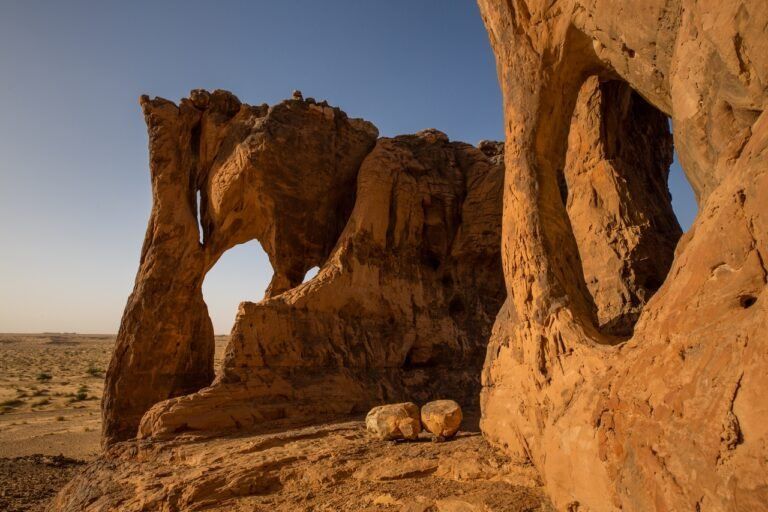
A Hidden Garden in Stone
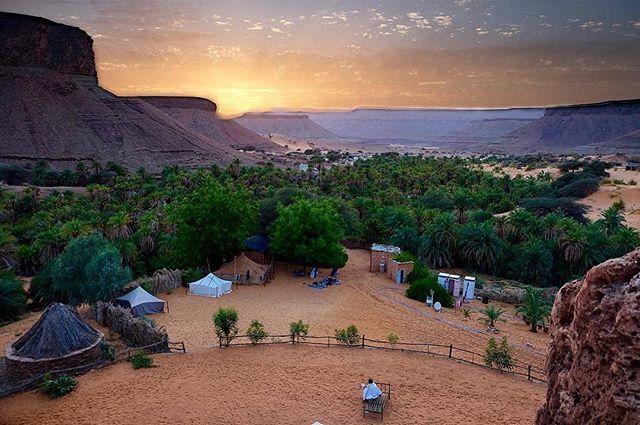
Cool water hidden inside steep desert cliffs, surrounded by palms and birdsong deep in the Sahara. Three days from Nouakchott — drive northeast into the Adrar, arrive at Terjit oasis, swim in natural springs, camp under the palms. The most unexpected place in the desert.
The oasis has held deep cultural significance for centuries. It served as the site of religious ceremonies, weddings, and even coronations of princes in the Adrar's tribal history. Today it remains a place of gathering and refreshment — for locals and travellers alike — in a region where water is the rarest and most precious commodity.
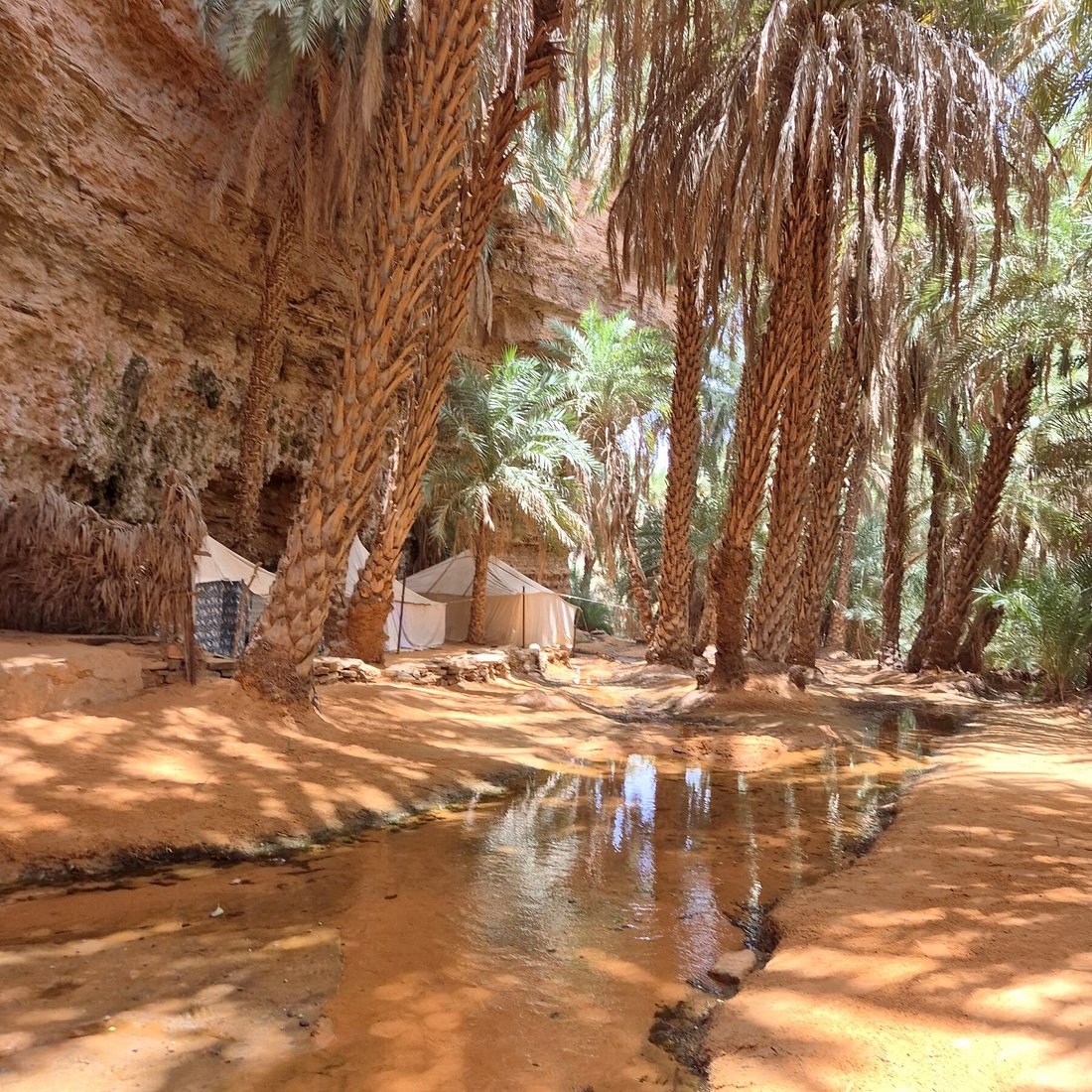
The contrast between the surrounding hammada — bare, wind-scoured rock plateau — and the sudden green abundance of the gorge is one of those landscape transitions that seems to belong to fiction rather than geography. Swimming in the natural pool, surrounded by palms and cliff faces, with the Sahara beginning again just metres above your head, is one of Mauritania's defining experiences.
The Adrar Plateau contains more than 2,200 hectares of oases — more than anywhere else in Mauritania. Terjit is the crown jewel, but nearby oases including Mhaireth and Entkemkemt offer further exploration. These green pockets in the desert have sustained human settlement since the Neolithic period, providing water, dates, and shade along the trans-Saharan trade routes that made cities like Chinguetti and Ouadane possible.
The Experience
Terjit's flowing spring feeds a natural swimming pool of crystal-clear water, cool enough to shock after hours in the desert heat. The pool is open to all — women swim freely and without restriction. Floating in cold water inside a canyon, surrounded by date palms, with the Sahara visible at the rim above, is extraordinary.
Year-roundThe oasis floor is thick with date palms — their canopy filtering the fierce desert light into dappled shade. In season, the dates are harvested by local families who have tended these groves for generations. Walking through the palms at midday, the air ten degrees cooler than the plateau above, feels like stepping into a different climate zone.
Shade & fruitTerjit sits inside a narrow gorge with rock walls rising steeply on three sides. The geology is dramatic — layered sandstone and limestone bearing the marks of millions of years of water erosion. Beehives cluster on the dripping rock faces. The canyon creates a natural amphitheatre of birdsong, flowing water, and wind.
GeologicalThe auberges lining the canyon rim serve traditional Mauritanian tea with views over the oasis. As the sun drops below the plateau edge, the canyon fills with golden light and the temperature becomes perfect. Tea at sunset in Terjit is not a scheduled activity — it is a ritual that happens naturally.
Evening ritualThe canyon walls and surrounding plateau offer excellent hiking and scrambling opportunities. Trails lead up to the rim for panoramic views of the oasis below and the desert beyond. The rock is solid and the routes are varied — from gentle walks to more challenging scrambles for experienced hikers.
ActiveSeveral auberges built into the canyon walls offer simple but comfortable accommodation and meals. Sleeping at Terjit means waking to the sound of flowing water and birdsong — a surreal alarm clock in the middle of the Sahara. The food is traditional Mauritanian: fresh bread, grilled meats, dates, and endless tea.
OvernightSacred History
Terjit's significance extends far beyond its natural beauty. For centuries, the oasis served as a ceremonial site for the Adrar's tribal communities — a place where important gatherings were held because water made them possible. Religious ceremonies, marriages of consequence, and even the coronation of princes took place here, in a gorge that provided both the practical resource of water and the symbolic weight of a landscape unlike any other.
Today, this ceremonial history lives on in the respect with which local communities treat the oasis. Terjit is not a tourist attraction in the Western sense — it is a shared resource, a gathering place, and a reminder of what makes life possible in the Sahara. Visiting with a Yolo guide ensures you understand this context.
“In a land where water is the rarest treasure, Terjit is the most generous gift the desert offers — a garden of flowing springs where the Sahara pauses and remembers what green means.”— Yolo Travel, Field Notes
Before You Go
Terjit lies approximately 30km south of Atar, the regional capital of the Adrar. The drive takes under an hour on decent tracks. Atar is reached by daily flights from Nouakchott. Yolo arranges all transport.
A day visit allows time for swimming, walking, and tea. An overnight stay is recommended to experience the oasis at its most magical — dawn and dusk, when the light in the canyon is extraordinary and most day visitors have departed.
Bring swimwear for the natural pool, comfortable walking shoes, sun protection, and warm layers for the evening. A towel is essential. Yolo provides meals and tea. Camera recommended.
The cooler months offer the most comfortable conditions. Swimming is possible year-round, but summer heat on the approach drive can be intense. In the rainy season, the oasis stream becomes a river — dramatic but less swimmable.
Terjit sits perfectly within an Adrar circuit that includes Chinguetti (UNESCO), Ouadane (UNESCO), and the Erg Amatlich dunes. Most visitors experience Terjit as part of a 4–7 day Adrar exploration.
Several small guesthouses line the canyon rim, offering simple rooms, traditional meals, and spectacular views. Facilities are basic but comfortable. Wild camping is also possible in the surrounding area with Yolo's guidance.
Day by Day
8am departure. The road north climbs quickly into proper Sahara — no coast, no green, just heat and distance. We stop for tea in Akjoujt around 11am, the last town before the dunes take over. By 3pm we are at Azoueiga, standing at the foot of the tallest dunes in Mauritania. We climb before sunset. The view from the top — nothing in every direction but sand and light — is worth the drive alone. Camp at the base, fire, stars.
This is the day the trip is named for. We leave at 8am and drive 160km further into the Adrar plateau, the terrain getting harder and more beautiful as we go. Then the gorge appears — a crack in the rock filled with palm trees and fed by a spring that has been running since long before anyone thought to write it down. We swim in cold clear water in the middle of the Sahara. We rest. We watch nomads pass with their animals in the late afternoon. Guesthouse overnight.
A final morning at the spring before the 417km drive south. We leave at 8am, stop for lunch on the road, and arrive home by early evening. Three days. Two landscapes you will not forget.
Ready to Go?
From $349 per person (group of 4). Solo $649 · ×2 $449 · ×3 $399 · ×4 $349. 3-day retreat including transport, camping, meals, guided oasis exploration, and swimming.